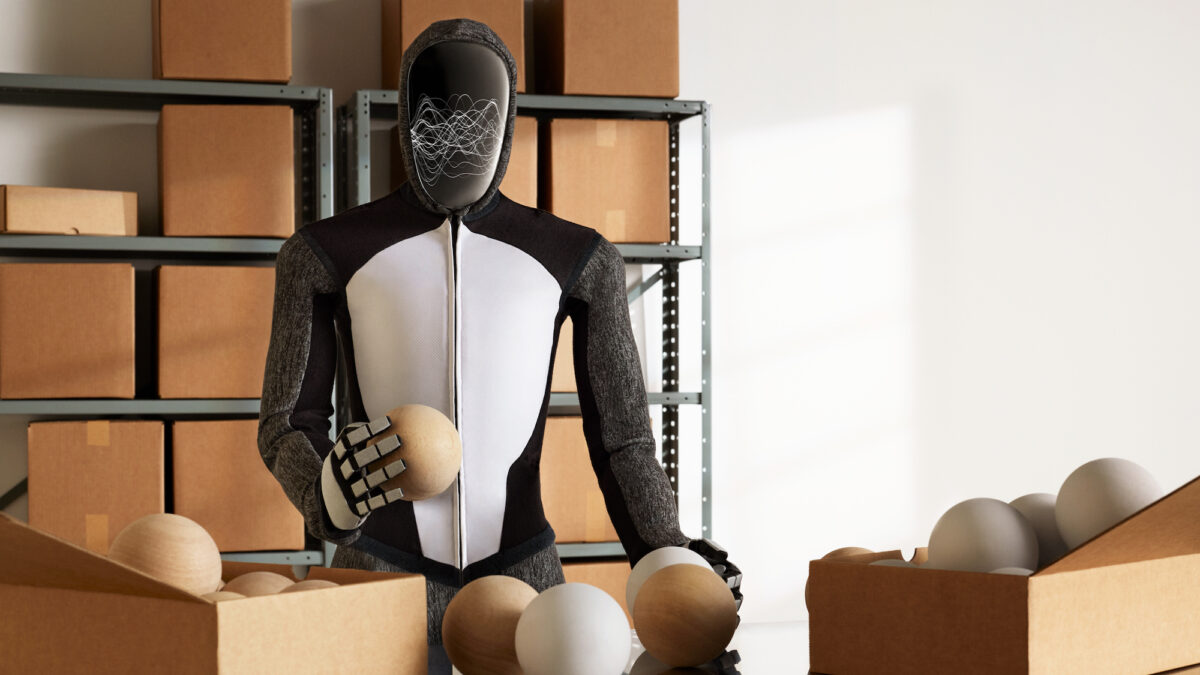
The dream of a fully functional, helpful humanoid robot in the home has long been a staple of science fiction. Today, that dream is rapidly becoming a reality with the introduction of the Neo Humanoid Robot by 1X Technologies. Designed to be a safe, personalized, and autonomous assistant, Neo is poised to redefine the concept of a home robot, moving beyond simple vacuum cleaners and smart speakers to offer genuine physical assistance with daily chores.
Design and Engineering: Built for the Home
The Neo Humanoid Robot is engineered specifically for the domestic environment, prioritizing safety, gentle movement, and a non-intimidating form factor.
Physical Specifications
Neo stands approximately 5 feet 6 inches (168cm) tall and weighs around 66 pounds (30kg). Its design is notably soft and human-like, often covered by a soft 3D lattice, which contributes to its gentle motion and safe interaction with people and objects. This focus on a “soft” design is a deliberate choice to ensure the robot can navigate and operate in human spaces without causing damage or injury.
The Power of Tendon-Driven Motors
A key innovation in Neo’s design is its tendon-driven motor system. Unlike the rigid, mechanical movements of some industrial robots, this system allows Neo to move with a fluid, almost human-like gait. This enables the robot to perform delicate tasks, such as handling dishes or laundry, with a level of dexterity and gentleness required for household chores.
Autonomous Intelligence: The Redwood AI Core
Neo’s physical capabilities are matched by its advanced artificial intelligence, which is built for autonomy and learning within a complex, unstructured environment like a home.
Vision-Language Transformation
The robot’s autonomy is powered by Redwood AI, a vision-language transform specifically tailored for the humanoid form factor. This AI allows Neo to:
•Understand Natural Language: Users can give Neo complex, natural language commands (e.g., “Please tidy up the living room and put the dishes in the dishwasher”).
•Contextual Awareness: The AI processes visual data in real-time, allowing it to identify objects, understand the state of the environment (e.g., whether a door is open or a floor is wet), and adapt its actions accordingly.
Learning and Remote Supervision
For tasks that Neo has not yet learned, 1X Technologies has implemented a unique solution involving remote human supervision. An “Expert” from 1X can remotely supervise the robot’s actions at scheduled times, guiding it through complex, unfamiliar tasks. This process allows the robot to learn new abilities and expand its autonomous capabilities over time, effectively creating a feedback loop for continuous improvement.
Applications: From Chores to Personalized Assistance
The primary goal of the Neo Humanoid Robot is to tackle the “boring” and repetitive tasks of daily life, freeing up human time and energy.
Household Chores
Neo is designed to be a comprehensive home assistant, capable of performing a wide range of chores:
•Tidying and Organizing: Picking up items, putting away toys, and general organization.
•Kitchen Assistance: Loading and unloading dishwashers, and potentially simple food preparation tasks.
•Laundry: Handling and folding clothes, a task that requires significant dexterity.
Personalized and Conversational Companion
Beyond physical labor, Neo is also designed to be an AI companion. Equipped with advanced speech recognition and generation, it can engage in natural conversation, offering personalized assistance and information without being confined to a phone or computer screen.
The Future of the Home Robot
The Neo Humanoid Robot represents a significant step forward in consumer robotics. While the initial pre-order price point is substantial, its introduction signals a clear path toward a future where humanoid robots are integrated into the fabric of our daily lives. By combining a safe, human-centric design with powerful, learning AI, 1X Technologies is positioning Neo to be a true pioneer in the age of the home robot. The focus on privacy, including features like “no go” zones, also demonstrates an understanding of the ethical and practical considerations necessary for widespread adoption. The future of household help is no longer just automated; it is humanoid.